
I arrive at Tauramena before sunrise and witnessed for the first time the huge gas flares. Just as the gas flares dominate the night sky with a bright orange glow, the oil industry dominates all aspects of life in Casanare. I had come to witness the closure of a chapter in the history of oil in Casanare and the start of a new one. It was a huge privilege to witness.
The previous evening, after five long months of negotiation and mobilizations, the Movement for the Dignity of Casanare signed an agreement with BP that includes action on basic labour, social and environmental issues. The agreement includes among other things a small but significant wage increase, investment in local roads, a commitment to finance a forum on the human rights situation in Casanare and an independent study in to the environmental impacts of the oil industry.
 "Our lives are not for sale. BP supports the violence"
“Firstly we need to ensure that BP sticks to the agreement and that the commitments are met. That is not going to be easy. Secondly, we need to build the Movement for the Dignity of Casanare and unite us much more. We could have achieved double, triple what we achieved if we were more united but BP used many dirty tactics to manipulate and turn people against us” Pacho tells me.
Pacho speaking during a community and workers assembly in March 2010
We head over to the school where today's workshop is going to take place: Exchanging Experiences on the Impacts of the Oil Industry. As I greet the people who have travelled from around Casanare, I recognise familiar faces from different documentaries that COSPACC, the NGO I am with, have made. I particularly remember one guy being filmed while harvesting crops from his farm beside the River Ariporo “I'm not leaving Casanare because of all this I have planted, yuca, plantain, maize. Here we live well.” he tells the camera with a big warm grin on his face. And in real life he is just the same. You would warm to him straight away.

We start the workshop with a great exercise which sparks sincere exchange and trust building: we form two concentric circles and pair up with the matching person. We are asked to introduce ourselves, where we are from, and share briefly with the other what is our experience of the oil industry in our municipal. We then return to the whole group and introduce our partner to everyone else, sharing what we have learnt.
We hear stories of how seismic exploration in Visinaca has left vital summer water sources with much less water and in some cases, with no water, cutting off the lifeblood to their farms, especially those that were fish farmers. Efforts at compensation have not been listened to.
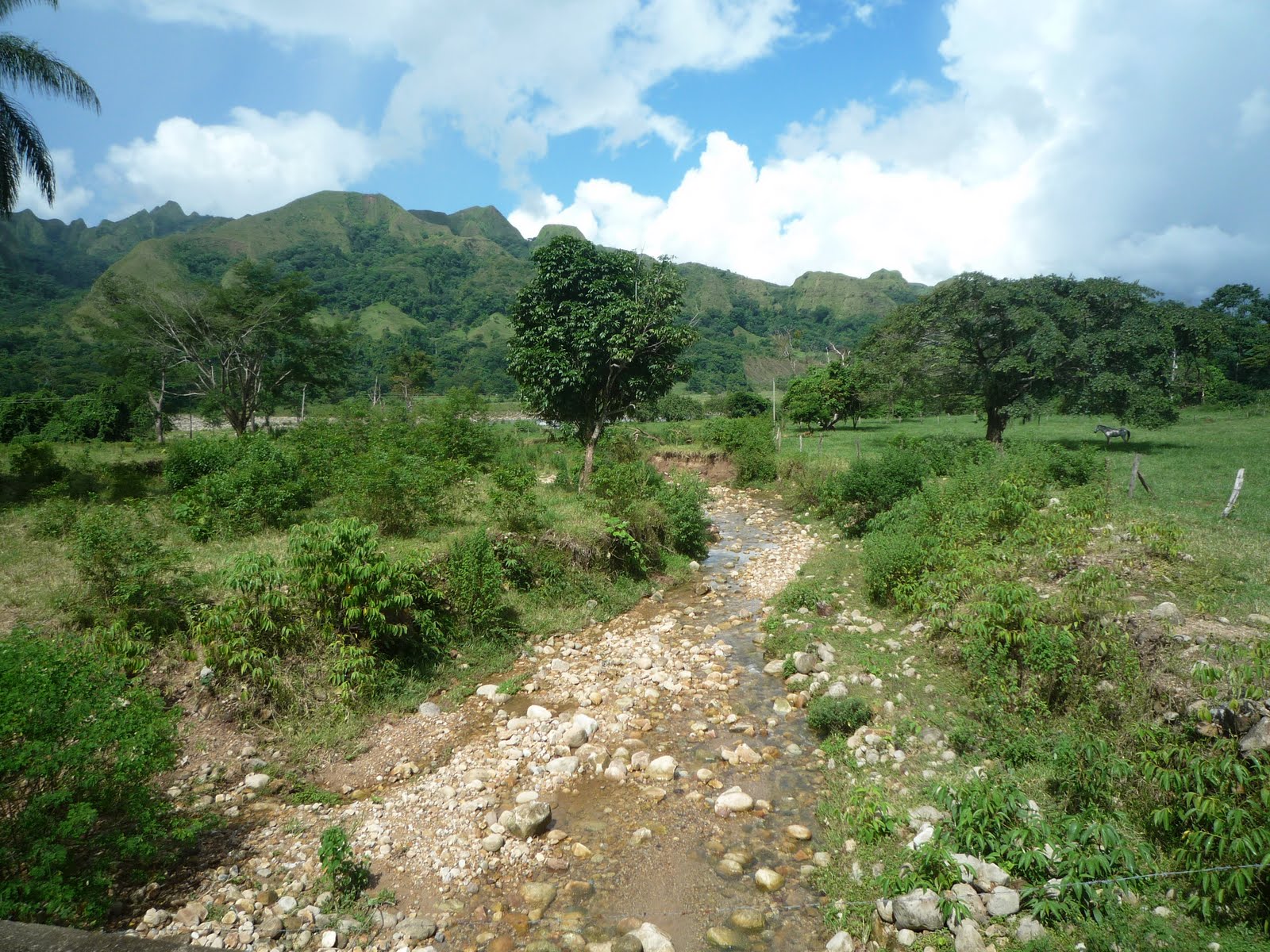
We hear stories of how peasant farmers from Monterralo said no to seismic exploration only to later receive a copy of a decree which tells them they have no say or choice over the matter. It is going ahead. Miguel offers information which the authorities and companies would rather was not exchanged. He reminds them that the Colombian constitution states that 'Every person has the right to enjoy a healthy environment. The law will guarantee the community's participation in the decisions that may affect it.' The decree can be challenged he said.
We hear the story of how an U'wa indigenous leader was killed after refusing payment in exchange for allowing oil exploration in indigenous territory. Instead of being weakened, the U'wa people took the decision to not talk with the oil industry until there is a full investigation in to the murder of their leader. “Money is nothing, it will end. What is important is our territory, where we live, where we walk, where we get water from, what we leave for our children. The oil industry is a cancer destroying our mother earth. We must defend our territory”
Campesinos from Paz de Ariporo share their tactics for fighting against oil exploration in their municipality . He tells us proudly how they refuse to sign attendance records when meeting with the oil industry, wise to the dirty tactics of these records being used to tick consultation boxes. He tells us their strategy to avoid corruption in their leaders; the community chose four leaders who are prohibited from representing the community in meetings with the oil industry alone. They all must be present. They also took the decision to invite the U'wa people to unite with them despite different cultures and world views. They extend their invitation to unite to all present at this exchange. "If we don't all defend the water of the hills, these plains are nothing."

After lunch, we are taken to see these hills and its rivers, with the solidarity of a local bus driver who lends us his time and bus. We get off the bus by the River Cusiana and Don Alexander leads us down to the river to the place where the water inlet pipe siphons off thousands of litres of fresh water daily to be pumped in to the oil wells. "This water they take is lost forever" Juan David, who participated in the Tauramena environmental negotiations with BP tells us. "BP take it without paying anything and bury it underground, removing it from the water cycle for ever.

Don Alexander warns the others "when they wanted to build the water inlet pipe they arrived like a man who wants to conquest a women, they arrived with flowers and nice words. But just as a women doesn't know who the man really is until later, we didn't know what was behind the flowers until it was too late and the huge damage was done. They arrived with an army of machinery and rerouted the river in to a channel to fill the inlet pipe. We lost lots of land, 20 hectares. And they have never paid us for what we have lost, just as they have never paid for the water they have robbed."
After admiring all the beautiful creepy crawlies that kept jumping out at me, we headed back to the bus, an hour late and the solidarity of the driver wearing a little thinner. As we drove back to Tauramena, people sat with new compañeros and the bus was filled with the buzz of conversations, full of ideas about how to move forward with this new chapter. This new chapter in which these different local resistances to oil exploration and exploitation in Casanare begin once again to weave hope and strength together. This was something really exciting and genuine to celebrate. And the cool beers went down well that evening. Let us hope there are more small steps to continue celebrating in the coming months.


